
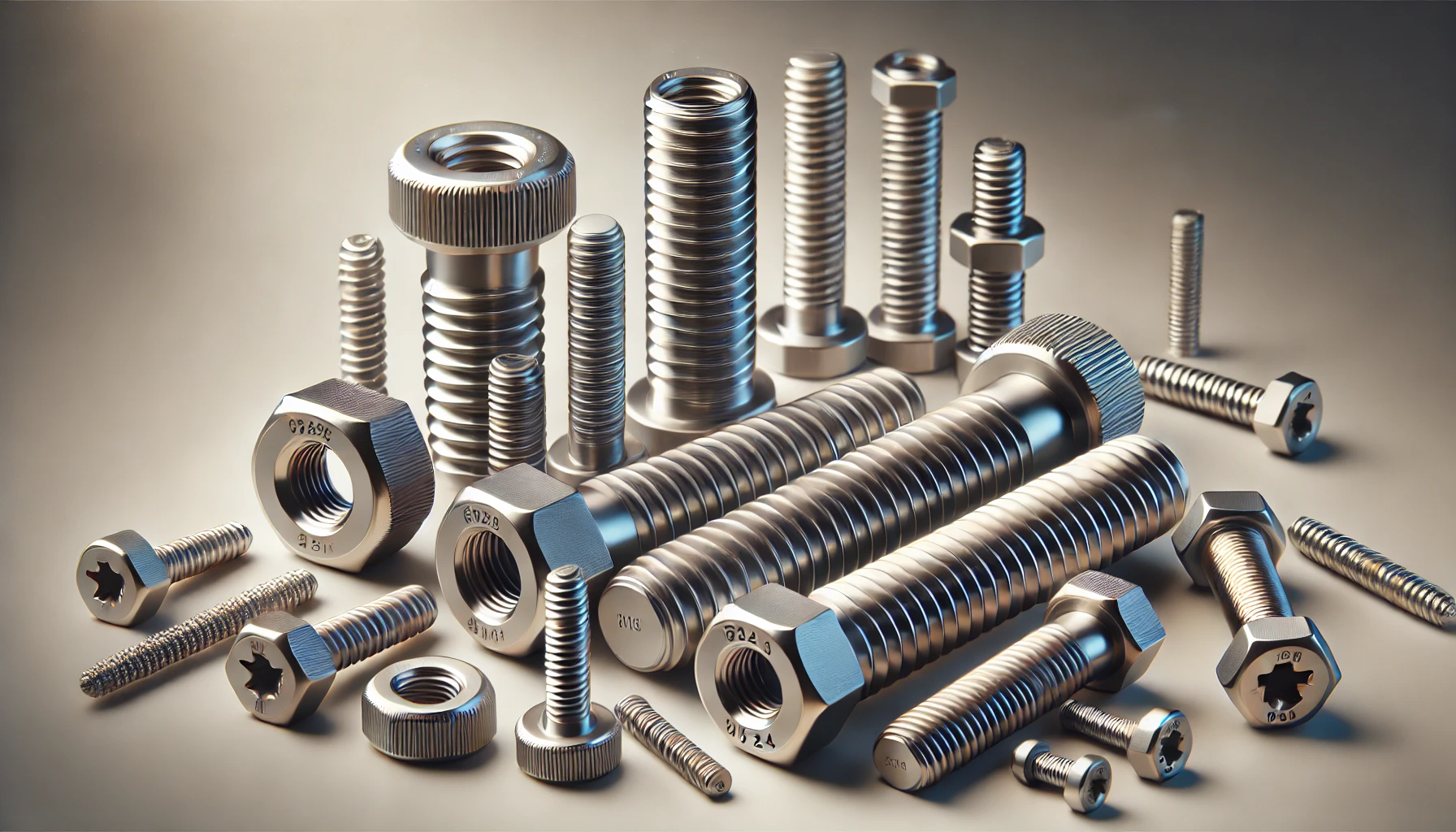
Metric threads are the most widely used thread system in engineering and manufacturing, providing a standardized approach to screw threads for global compatibility and interchangeability. The metric thread system is defined by various ISO standards, each specifying different aspects such as thread sizes, tolerances, and gauging.
Key Characteristics:
✔ Thread Profile: 60° symmetrical thread angle
✔ Global Standardization: Used in most industrial applications
✔ Defined by ISO Standards: Ensures consistency across industries
✔ Common Applications: Machinery, automotive, aerospace, construction

🔹 Related Thread Standards
🔹 ISO 261 – Standard Metric Thread Sizes
Defines the complete range of standard metric thread sizes, covering coarse and fine pitch threads used in engineering applications.
ISO 261 – Standard Metric Thread Sizes🔹 ISO 262 – Preferred Metric Thread Sizes
Specifies the preferred sizes from ISO 261 for general use, ensuring standardization and reducing unnecessary variations in thread sizes.
🔹 ISO 724 – Basic Dimensions of Metric Threads
Establishes the fundamental dimensions of metric screw threads, including major, minor, and pitch diameters for external and internal threads.
ISO 724 – Basic Dimensions of Metric Threads🔹 ISO 965 – Metric Thread Tolerances
Covers the tolerance system for metric threads, defining the acceptable limits for pitch, diameter, and deviations in external and internal threads.
ISO 965 – Metric Thread Tolerances🔹 ISO 1502 – Thread Gauges for Metric Threads
Defines the gauging system for verifying the accuracy of metric threads, ensuring that manufactured threads comply with the standard specifications.
📌 This page serves as an overview of Metric Threads and related ISO standards. Click on the links above to explore each standard in detail.