

ISO 724 is an international standard that specifies the basic dimensions of metric threads, including:
- Major Diameter (D/d) (External thread outer diameter)
- Minor Diameter (D₁/d₁) (Root diameter of the thread)
- Pitch Diameter (D₂/d₂) (Diameter where thread thickness is equal to the space between threads)
This standard provides the foundation for the ISO metric screw thread system, working alongside:
- ISO 68-1 (Metric Thread Profile)
- ISO 261 (Standard Metric Thread Sizes)
- ISO 965 (Thread Tolerances)
Technical Details
ISO 724 ensures the correct fit and compatibility of metric threads in fastening applications. It defines the primary diameters for external (bolt) and internal (nut) threads, ensuring proper engagement.
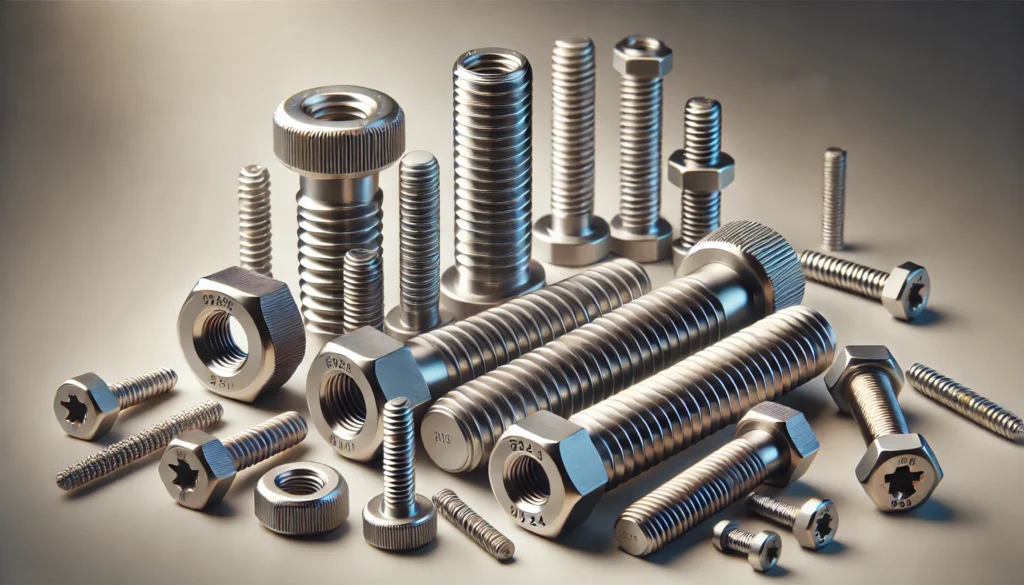
Key parameters in ISO 724:
✅ Major Diameter (D/d) – Outer diameter of the thread
✅ Minor Diameter (D₁/d₁) – Root diameter of the thread
✅ Pitch Diameter (D₂/d₂) – Diameter where the thread and space between threads are equal
✅ Standard and fine pitches included
ISO 724 Metric Thread Dimension Tables
Basic Metric Thread Dimensions (ISO 724)
| Nominal Diameter (M) | Pitch (P) (mm) | Major Diameter (D/d) (mm) | Pitch Diameter (D₂/d₂) (mm) | Minor Diameter (D₁/d₁) (mm) |
|---|---|---|---|---|
| M1 | 0.25 | 1.00 | 0.866 | 0.75 |
| M2 | 0.40 | 2.00 | 1.760 | 1.60 |
| M3 | 0.50 | 3.00 | 2.675 | 2.40 |
| M4 | 0.70 | 4.00 | 3.545 | 3.30 |
| M5 | 0.80 | 5.00 | 4.480 | 4.20 |
| M6 | 1.00 | 6.00 | 5.350 | 5.00 |
| M8 | 1.25 | 8.00 | 7.188 | 6.75 |
| M10 | 1.50 | 10.00 | 9.026 | 8.50 |
| M12 | 1.75 | 12.00 | 10.863 | 10.20 |
| M16 | 2.00 | 16.00 | 14.701 | 13.90 |
| M20 | 2.50 | 20.00 | 18.376 | 17.30 |
| M24 | 3.00 | 24.00 | 22.051 | 20.90 |
🔹 Note: The pitch diameter (D₂/d₂) determines thread engagement fit.
Applications of ISO 724 Metric Thread Dimensions
ISO 724 metric threads are used in:

- Automotive Industry (engine components, wheel bolts)
- Aerospace (aircraft fasteners, precision engineering)
- Industrial Machinery (threaded shafts, precision tools)
- Structural Engineering (large-diameter anchor bolts, construction fasteners)
This standard ensures dimensional consistency for manufacturing and assembly.
Related Metric Thread Standards
After reviewing ISO 724, you may also find these related standards useful:
- ISO 68-1 – Metric Thread Profile (Defines the fundamental shape of metric threads.)
- ISO 261 – Standard Metric Thread Sizes (Covers the full range of standard metric thread sizes.)
- ISO 262 – Preferred Metric Thread Sizes (Specifies the most commonly used metric thread sizes.)
- ISO 965 – Metric Thread Tolerances (Specifies tolerances for external and internal metric threads.)
- ISO 1502 – Thread Gauges for Metric Threads (Provides details on thread inspection using gauges.)
These links help users easily navigate between related standards.
Important Notice on Standards Validity
This information is for reference purposes only. Users should consult official sources and updated standards to ensure compliance with current regulations.
The validity of standards may change over time, so it is recommended to verify them through recognized engineering and standardization organizations (ISO, DIN, ANSI, ASME, etc.).
Check with relevant standardization bodies in your region to confirm whether a specific standard is still valid and applicable. Regulations and industry requirements may vary based on region and application.