
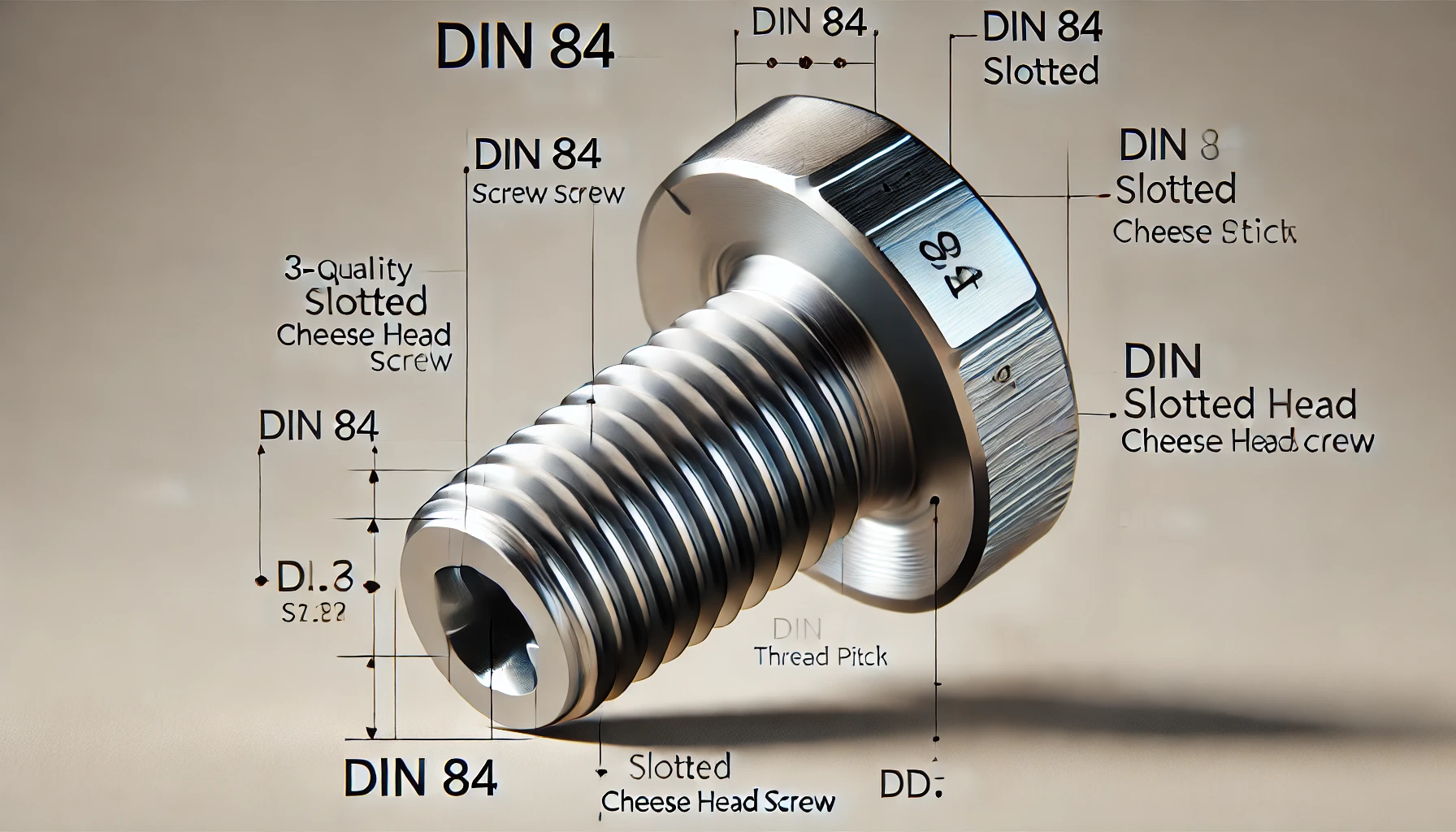
DIN 84 specifies slotted cheese head screws, which are widely used in mechanical assemblies, electrical applications, and general fastening tasks. These screws feature a cylindrical head with a slotted drive, making them easy to install and remove with a flathead screwdriver.
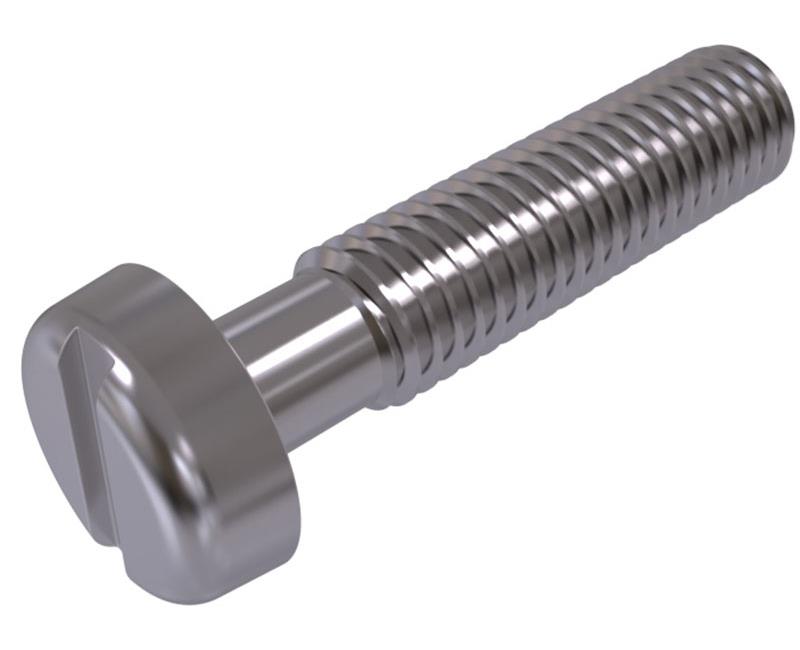
Key Features of DIN 84 Screws
- Head Type: Cylindrical cheese head with a flat top
- Drive Type: Slotted (compatible with flathead screwdrivers)
- Thread Type: Metric coarse thread
- Material Options: Available in steel (plain, zinc-plated), stainless steel (A2, A4), brass, and other corrosion-resistant materials
- Sizes: M1.6 to M20
Applications of DIN 84 Screws
DIN 84 screws are commonly used in:
- Electrical Engineering: Fastening components in electrical panels and devices.
- Mechanical Assemblies: Used in machinery where a cylindrical head is preferred.
- Automotive Industry: Securing components with precise fastening requirements.
- General Industrial Applications: Found in manufacturing and construction projects.
Technical Specifications and Dimensions
Below is a standard size chart for DIN 84 slotted cheese head screws:
| Thread Size (M) | Head Diameter (d1) mm | Head Height (k) mm | Slot Width (n) mm | Slot Depth (t) mm |
|---|---|---|---|---|
| M1.6 | 3.0 | 1.2 | 0.6 | 0.4 |
| M2 | 3.8 | 1.4 | 0.8 | 0.5 |
| M2.5 | 4.5 | 1.7 | 1.0 | 0.6 |
| M3 | 5.5 | 2.0 | 1.2 | 0.7 |
| M4 | 7.0 | 2.6 | 1.6 | 0.9 |
| M5 | 8.5 | 3.3 | 2.0 | 1.2 |
| M6 | 10.0 | 3.9 | 2.5 | 1.4 |
| M8 | 13.0 | 5.2 | 3.0 | 1.8 |
| M10 | 16.0 | 6.5 | 3.5 | 2.2 |
| M12 | 18.0 | 8.0 | 4.0 | 2.5 |
| M16 | 24.0 | 10.5 | 5.0 | 3.2 |
| M20 | 30.0 | 13.0 | 6.0 | 4.0 |
Related Standards
For additional reference, consider the following related fastener standards:
- DIN 63: Slotted Countersunk Head Screws – A similar slotted drive screw with a countersunk head.
- DIN 85: Slotted Pan Head Screws – A slotted screw with a rounded pan head.
Conclusion
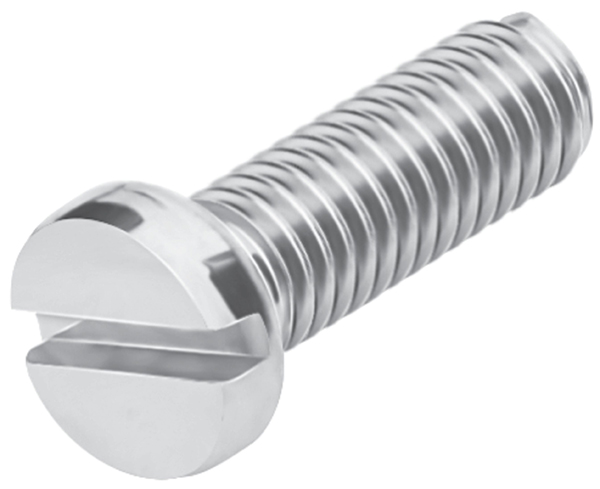
DIN 84 slotted cheese head screws are essential in electrical, mechanical, and industrial applications requiring a cylindrical head design. Their availability in different materials and sizes makes them a versatile choice for fastening components securely.
For more details on fasteners and engineering standards, explore our Thread & Engineering Standards.
Important Notice on Standards Validity
This information is for reference purposes only. Users should consult official sources and updated standards to ensure compliance with current regulations.
The validity of standards may change over time, so it is recommended to verify them through recognized engineering and standardization organizations (ISO, DIN, ANSI, ASME, etc.).
Check with relevant standardization bodies in your region to confirm whether a specific standard is still valid and applicable. Regulations and industry requirements may vary based on region and application.