

DIN 2337/3 defines cylindrical pins, which are precision-engineered components used for positioning, alignment, and fastening in mechanical assemblies. These pins feature a solid, cylindrical shape with high dimensional accuracy, making them ideal for applications requiring precise component alignment and secure connections.
Commonly used in automotive, aerospace, machinery, and tool manufacturing, DIN 2337/3 pins ensure reliable, repeatable assembly in high-precision engineering applications.
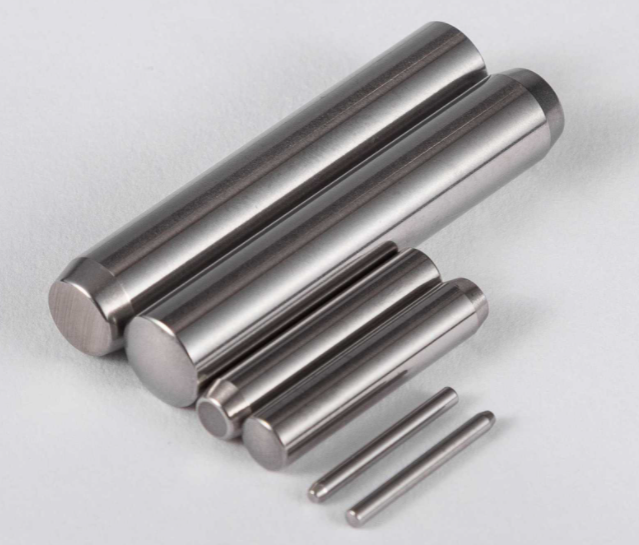
🔹 Key Features of DIN 2337/3 Cylindrical Pins
✔ High Dimensional Accuracy: Ensures precise alignment and positioning of mechanical parts.
✔ Solid Cylindrical Shape: Provides high strength and durability for demanding applications.
✔ Various Material Options: Available in steel, stainless steel, and other alloys.
✔ Surface Treatments Available: Zinc-plated, hardened, or ground for enhanced performance.
✔ ISO & DIN Compatibility: Designed for use in standardized assemblies.
🔹 DIN 2337/3 Cylindrical Pin Dimensions (mm)
| Nominal Diameter (d1) | Length (l) | Tolerance Class | Material |
|---|---|---|---|
| 1.0 – 2.0 | 4 – 20 | h6, m6 | Steel, Stainless Steel |
| 2.5 – 5.0 | 6 – 30 | h6, m6 | Steel, Stainless Steel |
| 6.0 – 10.0 | 8 – 50 | h6, m6 | Steel, Stainless Steel |
| 12.0 – 20.0 | 12 – 80 | h6, m6 | Steel, Stainless Steel |
📌 Note: Verify with official DIN 2337/3 documentation for precise tolerances and material specifications.
🔹 Material & Surface Treatments
DIN 2337/3 pins are produced in various materials to suit different applications:
- Carbon Steel (Hardened/Unhardened): Provides high strength and wear resistance.
- Stainless Steel (A2, A4): Corrosion-resistant for outdoor and marine environments.
- Hardened & Ground Steel: Used for high-precision applications.
- Surface Coatings: Available in zinc-plated, phosphate-coated, or black oxide finishes.
🔹 Applications of DIN 2337/3 Cylindrical Pins
DIN 2337/3 cylindrical pins are widely used in:
✅ Machinery & Equipment: Ensures precise alignment of mechanical components.
✅ Automotive & Aerospace: Used in assembly of engine and structural components.
✅ Tool & Die Manufacturing: Provides secure, repeatable positioning.
✅ Industrial & Robotics Applications: Enhances accuracy in automated systems.
✅ Metalworking & Construction: Used in structural assemblies and fixture setups.
📌 Important Notice on Standards Validity
This information is for reference purposes only. Users should consult official sources and updated standards to ensure compliance with current regulations. The validity of standards may change over time, so it is recommended to verify them through recognized engineering and standardization organizations (ISO, DIN, ANSI, etc.).
📌 Check with relevant standardization bodies in your region to confirm whether a specific standard is still valid and applicable. Regulations and industry requirements may vary based on region and application.